
Managed Equipment Services: 7 Best Facts to Know Today

Table of Contents
When someone searches for managed equipment services, they are usually trying to find a company that looks after equipment for a business. The phrase brings together three ideas: managed, which means looked after by someone else, equipment, which means the machines and tools a business uses, and services, which means the work that is done for a fee. It is a search for a service, and it is best understood that way first. The searcher is not usually looking for a general lesson about equipment. They want to know what the service covers, and whether it is worth hiring.
That starting point matters, because it keeps the question honest. A search for managed equipment services does not, by itself, prove that one company is the best, or that the service is right for every business. It shows only that people are looking for it. The rest has to be checked before it can be stated as a fact.
What Managed Equipment Services Means as a Search
Equipment is used in many kinds of business, from hospitals and schools to factories, offices, and farms. That equipment needs to be installed, maintained, repaired, and, in time, replaced. A service that manages equipment usually does some or all of that work for a client, under a contract. The search for managed equipment services is most likely a search for that kind of company, or for an explanation of what it does.
Search engines often treat that phrase as a request for a company, a definition, or a list of providers. They may show a company website, a directory listing, or an article that explains the idea. They may also show results for other kinds of managed services, such as managed IT services. That is why the same search can feel confusing. A careful reader needs to look at the actual result, and to check whether it is about equipment, or about something else.

What the Service Usually Covers
A managed equipment service usually covers the day-to-day care of equipment. That can include regular checks, cleaning, and servicing, as well as repairs when something breaks. It can also include keeping records, ordering spare parts, and planning when equipment should be replaced. Some services also cover safety checks, training, and advice on how to use equipment well.
For managed equipment services, the exact cover will depend on the contract, and on the kind of equipment involved. A hospital will need different care from a factory, and a school will need different care from a farm. A reader who asks for a clear list of what is covered, what is not covered, and how quickly a repair will be done, will avoid most of the confusion that a single search can cause. A service that cannot give that list clearly is a reason for caution.
What Is Verified and What Is Not
On the evidence available from the search phrase alone, only a small amount can be stated with confidence. The phrase managed equipment services is a search query about a business service that looks after equipment. Beyond that, the public record is thin. There is no single company, price, or contract that can be attached to the phrase, and this article does not invent one.
That is not the same as saying that no such service exists. Managed equipment services are a real kind of business service, and many companies offer them, in different forms, in different places. The honest position is a middle one: the search is real, the idea behind it is clear, and the details about any one provider still need to be checked against that provider’s own website, and against independent sources, before they are repeated.
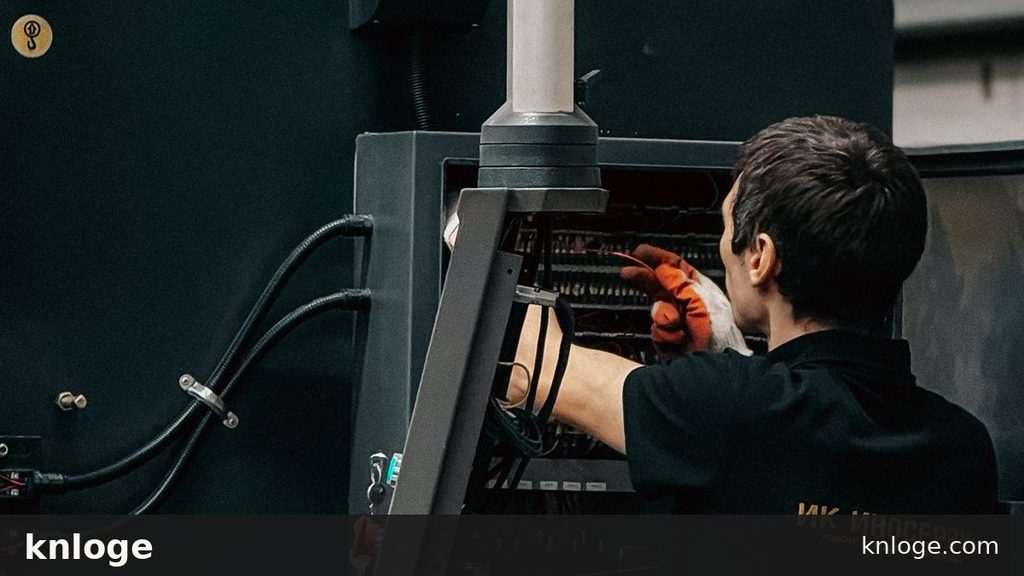
How to Check a Provider Before Hiring One
The most useful step is to ask for a clear, written list of what the provider will do, how often it will do it, and what it will cost. A good provider should be able to explain which equipment it covers, how it will report its work, and what will happen in an emergency. If a provider cannot explain its work, or if it only promises low prices, that is a reason for caution. A reader who checks those details before signing a contract avoids the most common problem with managed services: paying for a service that does not cover what was expected.
It also helps to check how equipment safety is handled, and who is responsible for it. In the United States, workplace safety is overseen by the Occupational Safety and Health Administration, and OSHA publishes guidance about safe work, safe equipment, and the duties of employers. That kind of source will not tell you about one company, but it does give useful context about how equipment should be kept safe, and why a managed service should be able to show that it follows those rules.
What to Do Next
If you are considering managed equipment services, start by listing the equipment you have, how it is used, and what happens when it breaks. Then ask providers for a written plan, a clear price, and examples of their work. Compare those plans, and check each provider against independent sources. A similar need to research a company before deciding appears in the Research Dossier for Target Company, and the same careful approach to checking a technology site is described in the guide to Techtrendery Com. In both cases, the useful habit is the same: check the source, check the date, and do not sign a contract you cannot verify.
Conclusion
The search for managed equipment services is best read as a question about a business service: a reader looking for a company that will look after equipment, and wanting to know what it covers, what it costs, and whether it can be trusted. The phrase does not prove that one provider is the best, or that the service is right for every business. The safest way to answer the question is to list your equipment, ask for a written plan and price, check it against safety guidance, and compare providers before signing. If a provider is real and honest, it will usually show that clearly.


One comment